
human rights defender
Sheikh Mohammed Al-Siddiq
Actions and Campaigns
human rights defender
Actions and Campaigns
Al-Siddiq suffers from diabetes, which is a chronic condition that requires a special diet and certain medications.
1964
Man
In prison (sentenced)
Sheikh Mohammed Al-Siddiq is a distinguished scholar, human rights advocate, and member of the International Union of Muslim Scholars. He earned a Bachelor of Arts in Sharia from UAE University and a Master’s degree in Jurisprudence from the Sharia College in Riyadh. He served as a teacher in the Department of Jurisprudence at the University of Sharjah (2001–2007). Throughout his career, Al-Siddiq served in several influential positions, including as a member of Sharia bodies in Islamic financial institutions, President of the Afaq Development Foundation for Studies and Consultations in Dubai, and Director General of the Dar Al-Khairat Foundation. Additionally, he contributed to the Gulf Cooperation Council as a Board member of the Association of Sharia Scholars. Al-Siddiq’s excellence has been recognized with numerous honors, including the prestigious Citizens on the Path to Excellence award and the Rashid Award for Academic Excellence. Beyond academia, he hosted and organized TV programs for “Sharjah” TV and served as supervisor of the Zayed Center for Quran Memorization. Al-Siddiq also co-founded the "Eslah" society in the UAE and signed the March 3 petition advocating for legislative reforms and fair elections for the National Assembly in 2011.
Apr 9, 2012
35 years
Latitude: 23.68005
Longitude: 54.78203
Abu Dhabi
Al-Razeen prison
In December 2011, a year before his arrest, Al-Siddiq was stripped of his Emirati citizenship without judicial order, under the pretext of engaging in actions deemed a threat to state sovereignty. Upon his arrest in April 2012, Al-Siddiq was forced to either leave the country or stay and get charged. After his arrest, reports confirm that Al-Siddiq endured enforced disappearance for a period of time until his trial commenced in March 2013. During this period, he was subjected to various forms of torture, including severe beatings and death threats. His family faced significant restrictions, including the denial of passport renewals and other official documentation, which prevented them from accessing essential social rights like education. Eventually, his children were also stripped of their Emirati citizenship. During his first trial, Al-Siddiq was denied legal representation, and was only permitted limited presence in court. While in detention, Al-Siddiq continued to suffer severe abuses. He was kept handcuffed and shackled in solitary confinement, deprived of access to a bathroom and adequate healthcare. This affected his health and diabetes, leading to a significant weight loss due to poor nutrition. His personal belongings, including books, pens, and paper, were confiscated, and he was barred from practicing religious rituals. Authorities even denied him the right to attend his mother’s funeral or communicate with his family, isolating him in inhumane conditions. Since March 2020, Al-Siddiq’s family has been prevented from visiting him in prison, in spite of the protective glass barriers put up between the detainees and visitors. He is deprived of calls with his family for weeks at a time.
In March 2011, after a group of 133 Emirati academics, judges, lawyers, students, and human rights defenders signed a petition addressed to the President of the United Arab Emirates and the country’s Federal Supreme Council calling for democratic reforms, the UAE’s State Security Apparatus (SSA) initiated a campaign of arrests against the individuals who signed the document. Sheikh Mohammed Al-Siddiq was arrested on April 09, 2012, as part of the “UAE94” for signing the petition calling for democratic reform in the UAE. Arrested individuals were later sentenced in the UAE’s largest mass trial, known as the “UAE94”, before the Federal Supreme Court. On January 27, 2013, the 94 defendants were charged with founding, organising and administering an organisation aimed at overthrowing the government, on the basis of article 180 of the penal code. On July 2, 2013, the Emirati authorities convicted 61 of the 94 defendants, and Al-Siddiq was sentenced to 10 years’ imprisonment followed by three years probation. Al-Siddiq’s sentence ended in April 2022, but under the pretext of “rehabilitation needs”, pursuant to the UAE’s Counter-Terrorism Law and the Munasaha Centre Law, the authorities have extended his detention indefinitely. On December 7, 2023, a new mass trial began before the Abu Dhabi Federal Court of Appeal, where Al-Siddiq was retried for new terrorism charges. On 10 July 2024, the Abu Dhabi Federal Appeals Court meted out sentences ranging from between 10 years to life in prison for 53 defendants in the UAE’s second largest unfair mass trial which is known as the UAE84 case. Al-Siddiq was sentenced to life in prison, which is tantamount to 25 years in prison, “for the crime of establishing, founding and managing” the Justice and Dignity Committee, allegedly “with the aim of committing terrorist acts on the country’s soil”.
Documented by
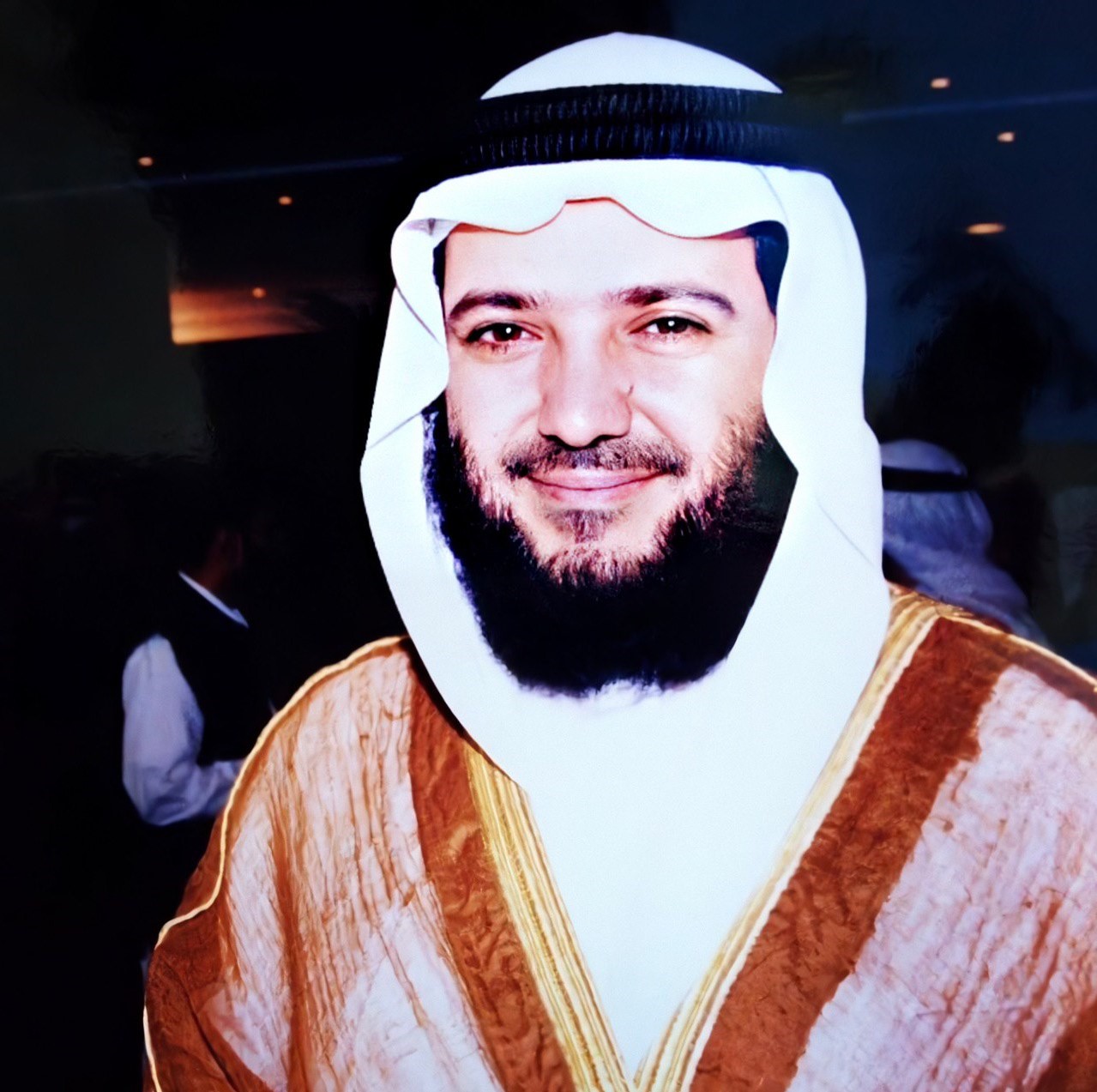
Sheikh Mohammed Al-Siddiq is a distinguished scholar, human rights advocate, and member of the International Union of Muslim Scholars. He earned a Bachelor of Arts in Sharia from UAE University and a Master’s degree in Jurisprudence from the Sharia College in Riyadh. He served as a teacher in the Department of Jurisprudence at the University of Sharjah (2001–2007). Throughout his career, Al-Siddiq served in several influential positions, including as a member of Sharia bodies in Islamic financial institutions, President of the Afaq Development Foundation for Studies and Consultations in Dubai, and Director General of the Dar Al-Khairat Foundation. Additionally, he contributed to the Gulf Cooperation Council as a Board member of the Association of Sharia Scholars. Al-Siddiq’s excellence has been recognized with numerous honors, including the prestigious Citizens on the Path to Excellence award and the Rashid Award for Academic Excellence. Beyond academia, he hosted and organized TV programs for “Sharjah” TV and served as supervisor of the Zayed Center for Quran Memorization. Al-Siddiq also co-founded the "Eslah" society in the UAE and signed the March 3 petition advocating for legislative reforms and fair elections for the National Assembly in 2011.
Latitude: 23.68005
Longitude: 54.78203
35 years
In March 2011, after a group of 133 Emirati academics, judges, lawyers, students, and human rights defenders signed a petition addressed to the President of the United Arab Emirates and the country’s Federal Supreme Council calling for democratic reforms, the UAE’s State Security Apparatus (SSA) initiated a campaign of arrests against the individuals who signed the document. Sheikh Mohammed Al-Siddiq was arrested on April 09, 2012, as part of the “UAE94” for signing the petition calling for democratic reform in the UAE. Arrested individuals were later sentenced in the UAE’s largest mass trial, known as the “UAE94”, before the Federal Supreme Court. On January 27, 2013, the 94 defendants were charged with founding, organising and administering an organisation aimed at overthrowing the government, on the basis of article 180 of the penal code. On July 2, 2013, the Emirati authorities convicted 61 of the 94 defendants, and Al-Siddiq was sentenced to 10 years’ imprisonment followed by three years probation. Al-Siddiq’s sentence ended in April 2022, but under the pretext of “rehabilitation needs”, pursuant to the UAE’s Counter-Terrorism Law and the Munasaha Centre Law, the authorities have extended his detention indefinitely. On December 7, 2023, a new mass trial began before the Abu Dhabi Federal Court of Appeal, where Al-Siddiq was retried for new terrorism charges. On 10 July 2024, the Abu Dhabi Federal Appeals Court meted out sentences ranging from between 10 years to life in prison for 53 defendants in the UAE’s second largest unfair mass trial which is known as the UAE84 case. Al-Siddiq was sentenced to life in prison, which is tantamount to 25 years in prison, “for the crime of establishing, founding and managing” the Justice and Dignity Committee, allegedly “with the aim of committing terrorist acts on the country’s soil”.
In December 2011, a year before his arrest, Al-Siddiq was stripped of his Emirati citizenship without judicial order, under the pretext of engaging in actions deemed a threat to state sovereignty. Upon his arrest in April 2012, Al-Siddiq was forced to either leave the country or stay and get charged. After his arrest, reports confirm that Al-Siddiq endured enforced disappearance for a period of time until his trial commenced in March 2013. During this period, he was subjected to various forms of torture, including severe beatings and death threats. His family faced significant restrictions, including the denial of passport renewals and other official documentation, which prevented them from accessing essential social rights like education. Eventually, his children were also stripped of their Emirati citizenship. During his first trial, Al-Siddiq was denied legal representation, and was only permitted limited presence in court. While in detention, Al-Siddiq continued to suffer severe abuses. He was kept handcuffed and shackled in solitary confinement, deprived of access to a bathroom and adequate healthcare. This affected his health and diabetes, leading to a significant weight loss due to poor nutrition. His personal belongings, including books, pens, and paper, were confiscated, and he was barred from practicing religious rituals. Authorities even denied him the right to attend his mother’s funeral or communicate with his family, isolating him in inhumane conditions. Since March 2020, Al-Siddiq’s family has been prevented from visiting him in prison, in spite of the protective glass barriers put up between the detainees and visitors. He is deprived of calls with his family for weeks at a time.
Al-Siddiq suffers from diabetes, which is a chronic condition that requires a special diet and certain medications.
You're all caught up
New activity will show up here.