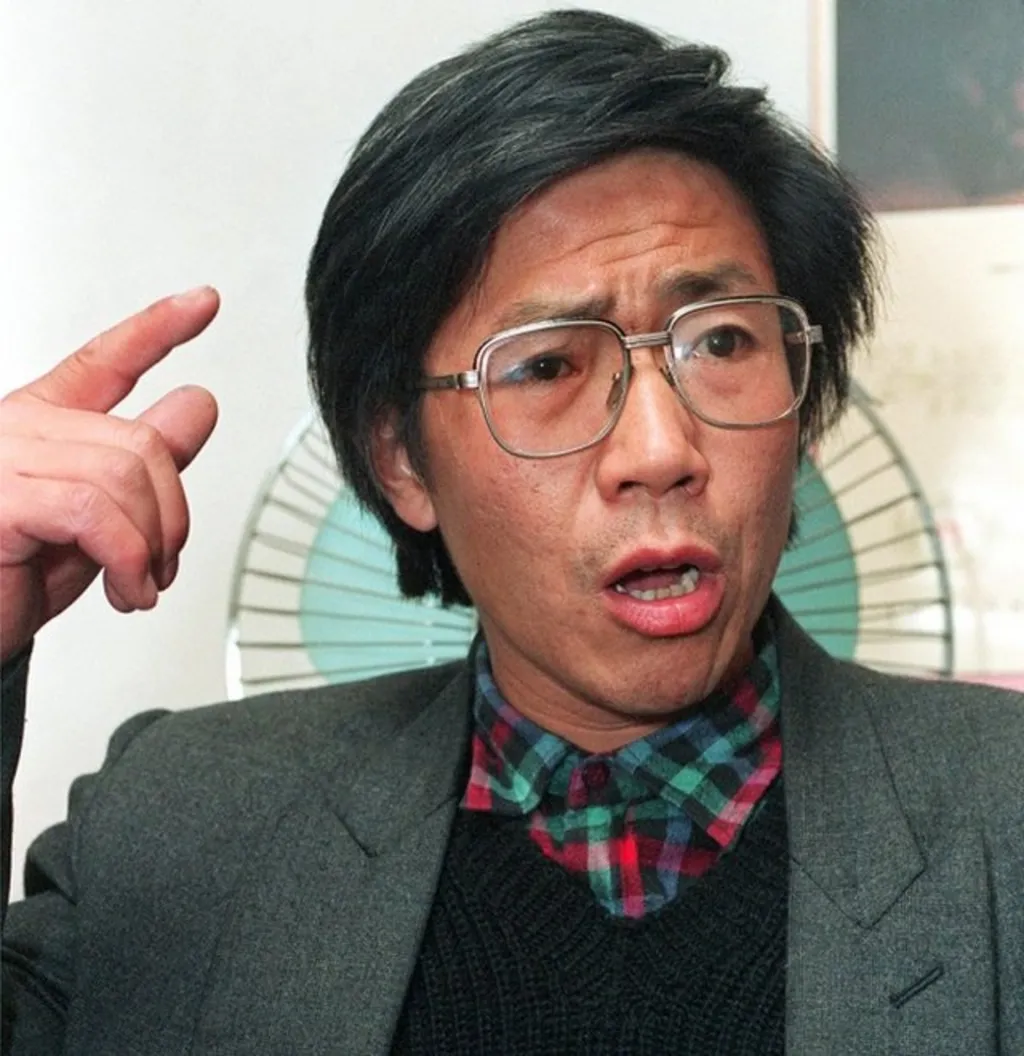
human rights defender
Yongmin Qin
© British Broadcasting Corporation (BBC)
Medical and legal assistance
1953
Man
Urban
Qin Yongmin (born 11 August 1953) is a Chinese author, political commentator, human rights activist, and co-founder of the Democratic Party of China and the China Human Rights Watch Communication Center. He previously worked at the Wuhan Iron and Steel Corporation.
In the late 1970s, Qin edited and published The Bell, a journal in Wuhan that promoted democratic ideals. In 1980, he participated in the establishment of the Preparatory Group of the Democracy Party of China. He was arrested in 1981 and sentenced to eight years in prison for “counter-revolutionary propaganda and incitement.” He was released in 1989.
On 14 January 1993, Qin participated in launching the “Peace Charter” movement in Beijing. He drafted the Peace Charter, considered the first comprehensive program for China’s democracy movement after 1949. The charter called for redress for the suppression of the 1989 Tiananmen Square protests and demanded the release of political prisoners. As a result of his involvement, Qin was convicted of “disturbing social order” and sentenced to two years of re-education through labor.
In 1997, Qin published an open letter to Jiang Zemin, urging the Chinese Communist Party to implement political reforms aimed at achieving constitutional democracy. He was subsequently arrested and sentenced to 12 years in prison for “subversion of state power.”
Qin Yongmin was released from prison in November 2010. Following his release, he continued advocating for democracy and human rights in China and was repeatedly detained without trial.
Due to his longstanding support for freedom of speech, freedom of publication, freedom of association, and the protection of fundamental human rights, including the right to organize political parties. Qin has been subjected to imprisonment, arrest, criminal and administrative detention, re-education through labor, and residential surveillance. Between 1970 and 2012, he was arrested or detained 39 times and spent a total of 22 years in prison, making him one of the longest-serving political prisoners in the People’s Republic of China. He has stated that he will not leave China until constitutional democracy is achieved.
After another three years in detention, Qin was sentenced in July 2018 to 13 years in prison for “subversion of state power.” Although the court acknowledged that Qin had not engaged in any acts of violence, it cited several activities as evidence against him, including writing articles, publishing a book in Hong Kong advocating a peaceful democratic transition in China, issuing public statements, organizing pro-democracy groups, and arranging meetings and shared meals with fellow activists.
In prison (sentenced)
Jan 19, 2015
13 years in prison
Latitude: 30.5126542
Longitude: 114.4005509
Wuhan
Wuhan Number 2 Detention Center
According to reports of the trial, immediately upon entering the courtroom, Qin Yongmin declared that he would “teach the Communist party a lesson” and began explaining the links between the Communist Party and China’s endemic issue of forced demolitions. In the ensuing shouting match with the judge, Qin Yongmin fainted due to high blood pressure. When court was resumed the following day, the defender was still unwell, and required the support of three court officers to enter the courtroom. In protest of the Court’s decision to continue the trial given Qin Yongmin’s condition, his defence counsels refused to answer any questions from the judge, or sign any documents at the close of the trial. Two months later, on 11 July, the Court announced the defender’s 13-year sentence. No other information about the verdict was announced.
For much of Qin Yongmin’s detention, the Chinese authorities refused to disclose any information about his whereabouts, health, or legal status. Repeated attempts by his legal counsel and supporters to obtain information were unsuccessful. In August 2015, on suspicion of “receiving excessive foreign media interviews and writing too many articles,” Qin Yongmin was placed under Residential Surveillance at a Designated Location (RSDL) by the Wuhan City police. Under the RSDL system, the police may detain an individual at a location of their choosing outside the formal judicial system.
On 17 June 2016, the authorities formally indicted Qin Yongmin on charges of “subverting state power,” one of the most serious offences under Chinese law. His trial took place on 11 May 2018, nearly three years and four months after he was first taken into custody. Two months later, on 11 July 2018, the court sentenced him to 13 years’ imprisonment. No further details about the judgment were made public.
Zhao Suli, Qin Yongmin’s wife, was permitted a brief five-hour visit with her sister on 5 February 2018. Since then, she has reportedly been held under incommunicado house arrest at her home.
Joint communication, UN special procedures, AL CHN 4/2021 https://spcommreports.ohchr.org/TMResultsBase/DownLoadPublicCommunicationFile?gId=26337
Joint communication, UN special procedures, AL CHN 5/2025 https://spcommreports.ohchr.org/TMResultsBase/DownLoadPublicCommunicationFile?gId=29740
Documented by